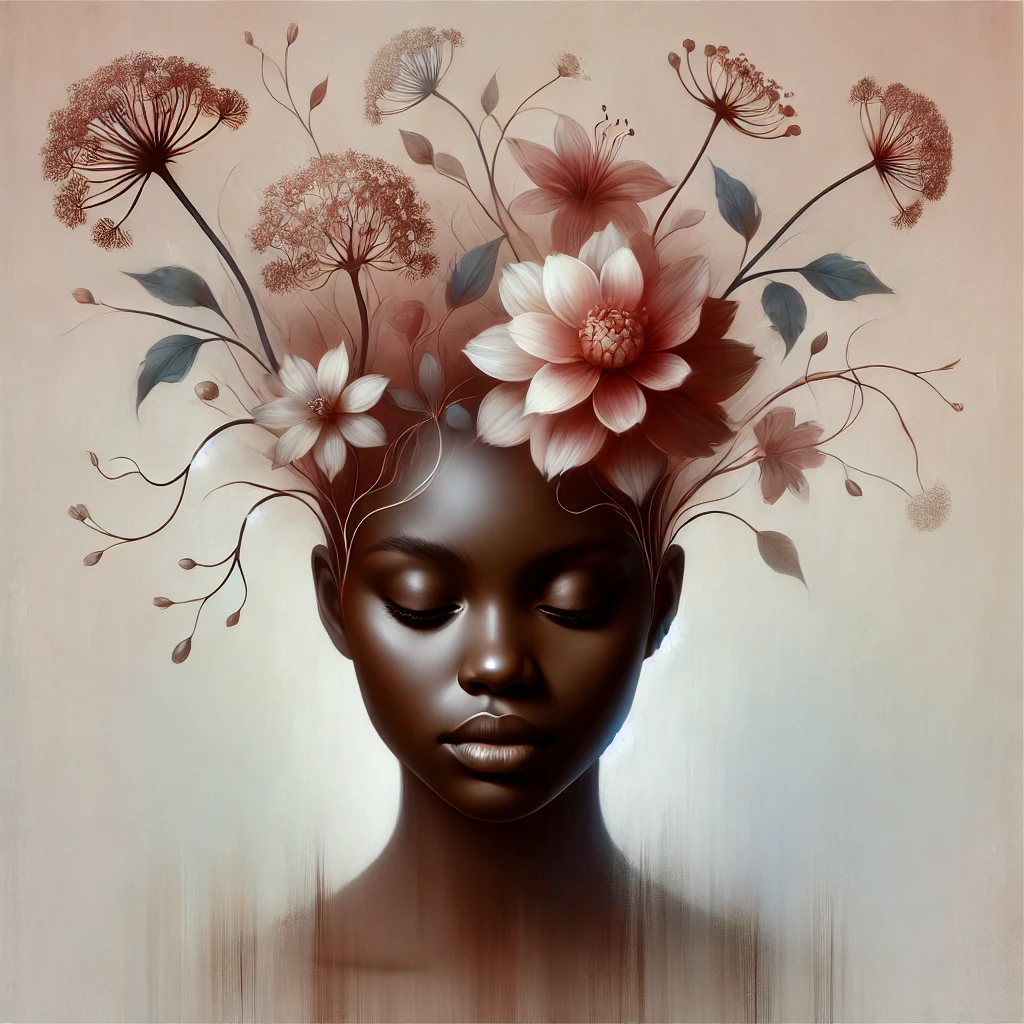
Mental Health Awareness Month commemorations have once again revealed the shocking numbers of the daily struggles of people grappling with conditions in Africa.
The World Health Organization (WHO) reports only 1 in 100 individuals with a mental health condition receive specialised treatment. Shockingly, WHO’s 2022 regional report estimates that over 116 million people in Africa are living with a mental health condition, highlighting the urgent need for awareness and support.
In the face of these challenges, courageous individuals like Esenam, a mental health advocate, are driving change. Esenam fearlessly shares her story on her YouTube channel, challenging the social stigmas and cultural prejudices surrounding mental health.
Esenam’s journey began in 2015, amidst a tumultuous period following a painful breakup.

“I was very depressed about it. At the time, I didn’t know that what I was going through was depression,” she recalls.
Her symptoms, including loss of interest in activities and difficulty with basic self-care, were bewildering and overwhelming. It was only through the intervention of her parents—her mother seeking help from churches and her father suggesting professional help—that she was eventually diagnosed with bipolar disorder. This diagnosis initially led to confusion and denial, compounded by a lack of awareness about mental health in her community.
Acceptance and understanding of her diagnosis were pivotal in Esenam’s journey. “Acceptance was part of my healing,” she emphasises. This acceptance enabled her to embrace the necessary treatment and begin her path to recovery.
Throughout her journey, Esenam has relied on the unwavering support of her family and friends.
“God, my family, and friends have been my biggest cheerleaders on my mental health journey,” she shares. Despite the challenges brought on by manic and depressive episodes, her loved ones have stood by her, offering emotional, financial, and practical support. Their belief in her has been a cornerstone of her strength and resilience.
Self-care has been a fundamental aspect of managing her condition. She emphasises the importance of everyday practices that contribute to her well-being.
“Eating well, prioritising my sleep, knowing my triggers, and making time to de-stress are crucial for me. These practices, along with activities like getting her nails done, reading, and spending time with friends, form a cocktail of different things that have really helped me to just take very good care of myself.”
Navigating cultural expectations and traditions regarding mental health has been a significant challenge for Esenam. She has faced stigma and discrimination from employers and friends.
“Sometimes I just tell myself that some people stigmatise because they have very little knowledge about mental health,” she explains. Rather than letting stigma deter her, she uses it as an opportunity to educate others, recognising that societal change is a gradual process.
A pivotal moment in Esenam’s journey was finding hope through the encouragement of her doctor. “She used her own experiences to encourage me,” Esenam recalls. This support reignited her determination to pursue her dreams and demonstrated that a full, successful life was possible despite her diagnosis. This realisation was a turning point, fuelling her advocacy and commitment to mental health awareness.
Esenam’s diagnosis has profoundly changed her perspective on life and activism. “It has made me realise I can actually have a full life and thrive,” she reflects. Her experiences have unveiled strengths and talents she was previously unaware of, including counseling, content creation, and public speaking. These newfound skills have enriched her activism, making her advocacy work deeply personal and impactful.
Daily practices like quiet time, journalling, and affirmations help Esenam maintain a positive mindset. “I counter negative thoughts with positive ones,” she explains. This approach has been instrumental in transforming her once-negative outlook on life.
Creative outlets such as reading, writing, painting, and content creation have also been therapeutic for Esenam. These activities provide a sense of relaxation and joy, contributing to her overall well-being.
Balancing mental health needs with activism is crucial for Esenam. She prioritises her mental health above all else, structuring her life to avoid taking on more than she can handle.
“Most of the people I work with understand the importance of mental health,” she says, which allows her to take necessary breaks without guilt.
These days, Esenam uses platforms like YouTube to create content that educates others about mental health, using her life as a testament. She also hosts workshops to further spread awareness and provide support.
Reflecting on her journey, Esenam has valuable advice for her younger self: “You will be fine. Everything will be fine. You will definitely graduate, use your story to help people, and thrive.”
This message of hope and encouragement underscores her belief in the possibility of recovery and success.
Esenam’s story is a testament to the power of resilience, community support, and self-care in navigating mental health challenges. Her advocacy continues to inspire others, shining a light on the importance of mental health awareness and the potential for a brighter future.
If you or someone you know needs help with their mental health please check out these resource pages:
Africa Psychosocial Support Institute https://apssi.org/
Equilinks http://www.equilinks.org/
Esenams Youtube channel: https://www.youtube.com/@MentalHealthQuarters
Resource availability can vary by country. Consider conducting an online search for resources specific to your region.
Article written for African Female Voices published 27 May 2024